
.png)






The Rise of Solar in Commercial and Industrial Facilities
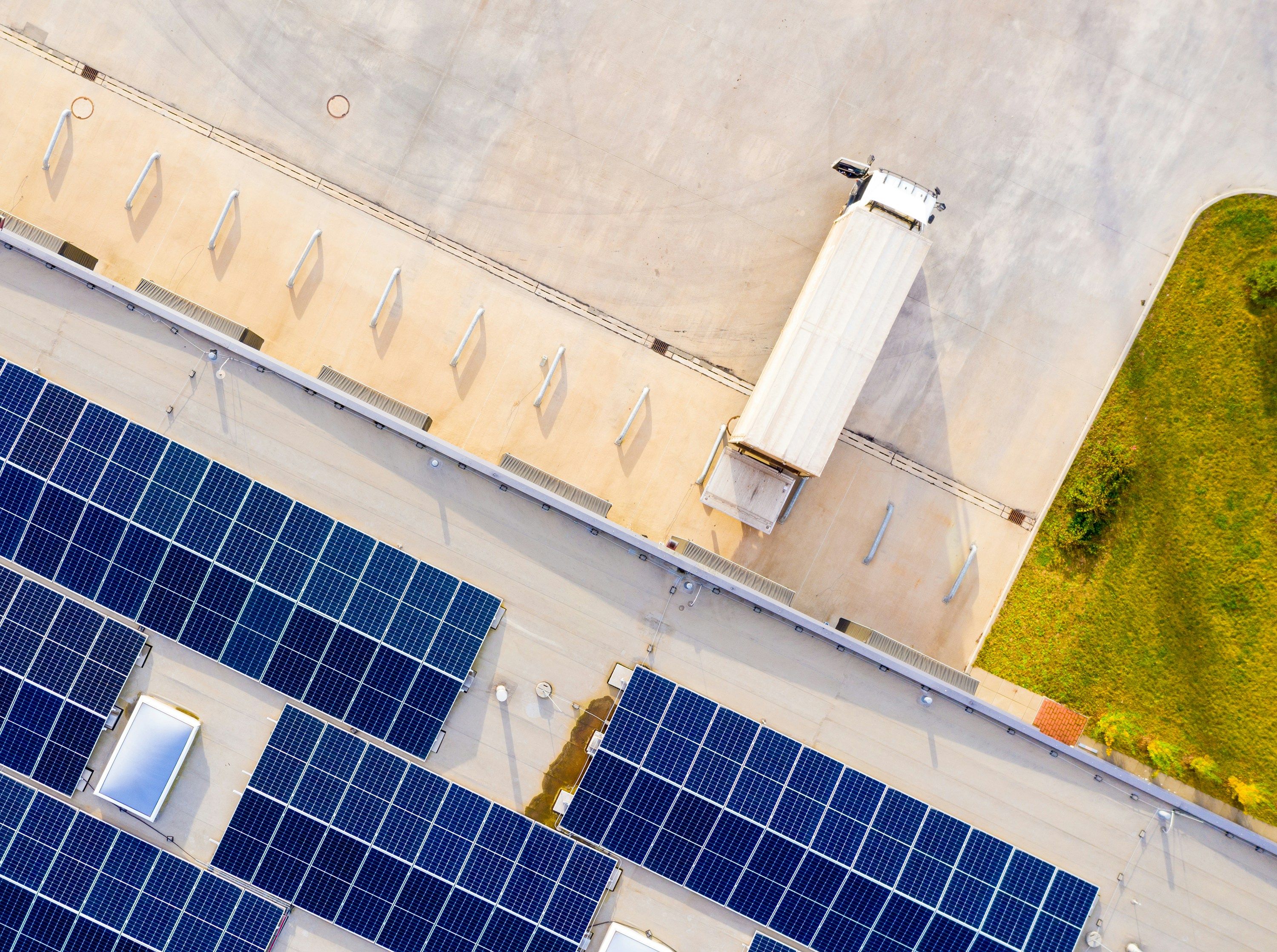
Commercial and industrial users represent one of the strongest growth segments for solar across Africa. These facilities often face high consumption costs, unreliable grids, and heavy dependence on diesel generators. Solar provides a way to stabilize operations and reduce long term expenses.
Why C and I Users Are Switching
Businesses in this category consume significant energy, making cost reductions especially impactful. A transition to solar can reduce annual spending by twenty to forty percent in many cases.
In addition, hybrid systems reduce generator runtime, leading to lower fuel usage and longer equipment lifespan.
Operational Benefits
Facilities experience fewer interruptions when solar is paired with storage. Production lines remain active, cold storage maintains consistent temperatures, and overall downtime is reduced.
Remote monitoring and modern control systems further improve reliability by providing real time performance insights.
Sector Examples
Solar adoption is gaining traction across:
Food processing
Agriculture
Manufacturing
Real estate and warehousing
Telecom infrastructure
Each sector benefits from cleaner, more stable, and more affordable energy.
Conclusion
Solar offers commercial and industrial users a sustainable path to improved performance and lower operating costs. As technology improves and demand grows, adoption across the continent is expected to accelerate rapidly.
Sources
IEA Africa Industry Report
IRENA C and I Sector Overview
African Development Bank Energy Data