.png)














Africa’s Solar Moment
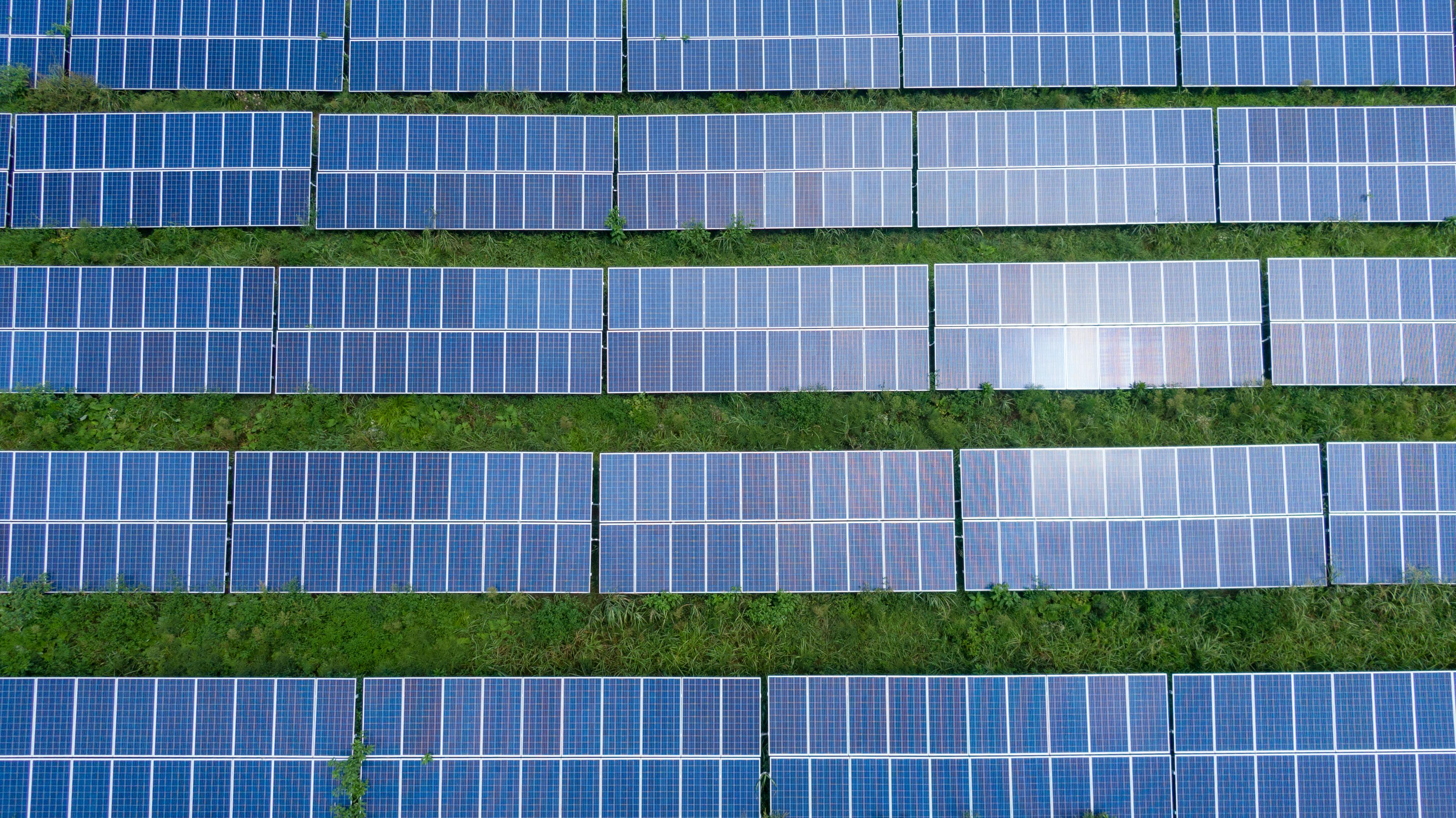
Africa receives some of the highest levels of solar irradiation in the world, yet historically has some of the lowest electrification rates. As the global shift toward sustainable energy accelerates, the continent is becoming one of the most promising regions for solar expansion. Population growth, rising energy demand, and dependence on costly diesel generators are driving a major transformation.
Solar offers a path to reliable and scalable power across commercial and institutional sites. The combination of improved technology, modern financing, and growing market interest is reshaping the energy landscape.
Why Solar Is Taking Off
Several forces are accelerating solar adoption across Africa.
Abundant sunlight is one of them. Many countries receive over 2,000 kilowatt hours per square meter per year, making solar one of the continent’s most valuable natural resources.
Technology prices have also fallen sharply. The cost of modules, inverters, and racking systems has decreased more than 80 percent over the past decade. Solar is now among the most affordable sources of electricity in many regions.
Diesel prices remain high and volatile. Commercial and industrial users looking for predictable costs are turning to solar to reduce fuel dependence.
Policy reform is expanding independent power production frameworks, tenders, and private sector opportunities.
New financing structures, including PPAs and developer owned systems, are making solar available with no upfront cost.
The economics are becoming too strong to ignore.
Sectors Leading Adoption
Growth is not limited to one category. Adoption is accelerating across:
Commercial and industrial facilities
Large agricultural operations
Universities, hospitals, and public institutions
Telecommunication networks
Cold storage and food processing
Mining and manufacturing
As reliability improves and cost savings rise, demand continues to grow across the continent.
What Comes Next
The next chapter of Africa’s solar sector will be defined by:
Solar plus storage systems
Decentralized microgrids
Hybrid systems with diesel backup
Corporate sustainability goals
Regional manufacturing of components
Solar will not only support Africa’s economic expansion. It will help define it.
Conclusion
Africa is positioned to become a global leader in solar adoption. With the right mix of financing, technical partners, and long term planning, solar can unlock new opportunities and reshape the future of energy across the continent. The foundation for long term, reliable, and scalable power is already being built.
Sources
International Energy Agency
IRENA Africa Energy Outlook
World Bank Africa Electrification Database
African Development Bank Renewable Energy Reports